Instagram Reel
Beloved
Why the first chapter is one of the great openings in American fiction.
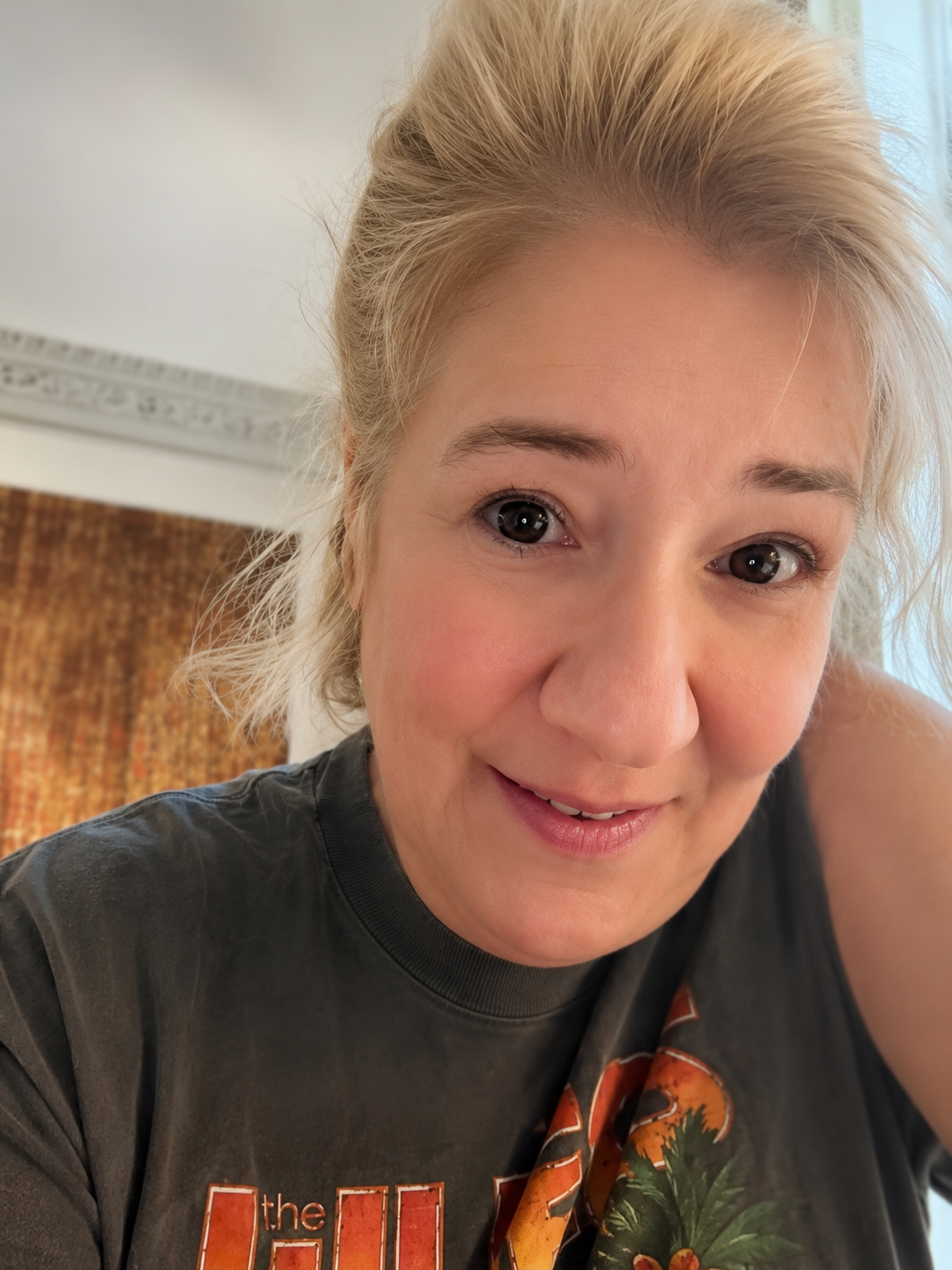
Beth Wareham is a celebrated book expert, writer, editor, publisher, and social media personality known for her candid, intelligent, funny and passionate views about banned books.

Ian McEwan’s devastating novel of love, war, and the stories we tell ourselves is a quarter of a century old — and still essential reading.
A literary home for challenged books, thoughtful conversation, and the freedom to read.
Books have always sparked debate.
Sometimes they comfort us. Sometimes they disturb us. Sometimes they change us.
When a book is challenged or removed, another story begins. The story of why it mattered enough for someone to try to silence it. This website explores both stories.
Why the first chapter is one of the great openings in American fiction.
A wise woman on Instagram said.
Written in the 50's and published in the 60's a must read for everyone.
I keep this by my bedside and read it often.
Six curated collections drawn from the books being challenged today, and the ones that quietly changed us long ago.
Substantial reads that reward the time you give them, from sweeping epics to dense, unforgettable novels.
Powerful, frequently challenged titles that have shaped conversations about freedom, identity, and the right to read.
Reads that shift how we see ourselves, each other, and the world long after the final page.
Compelling nonfiction by and about women who shaped history, culture, and the world.
Adventure, survival, and true stories of courage from every corner of the world.
Timeless works that reach across centuries and still speak to what it means to be human.
“A good book is an argument you keep having with yourself.”
For decades Beth has worked with books, as an editor, publisher, writer, and passionate reader.
Today she helps readers understand not only what to read next, but why certain books continue to shape culture, challenge assumptions, and spark important conversations.
Censorship is not abstract. It is happening in school districts, libraries, and statehouses right now. Here are clear answers to the questions readers are asking about banned books and the right to read.
In the United States, book bans and challenges usually start locally, at school boards, public libraries, and school districts. State lawmakers have also passed laws that restrict which books can be taught, displayed, or purchased with public funds. There is no national book-banning authority; decisions are made community by community, often in response to complaints from parents, advocacy groups, or elected officials.
Books are most often challenged or banned because they address topics some people find uncomfortable: race, racism, gender identity, sexual orientation, sexual content, violence, religion, or political ideas. Critics argue certain material is inappropriate for young readers; opponents of banning say removing books limits students' ability to think critically and see themselves reflected in literature.
Book banning matters because it narrows what readers can discover, learn, and discuss. It can silence marginalized voices, erase difficult history, and replace open inquiry with a single approved point of view. The freedom to read is tied to the freedom to think. When books disappear from shelves, so do perspectives that help readers understand themselves and the world.
Recent tracking by organizations like PEN America and the American Library Association shows that books by and about LGBTQ+ people, Black people, Indigenous people, and people of color are challenged at disproportionately high rates. Many are also award-winning works of literary fiction, memoir, and young adult literature.
Readers can attend school-board and library meetings, speak up against restrictive policies, support librarians and teachers, donate challenged books to libraries, and, most simply, read the books themselves. Talking openly about why a book matters is one of the most effective ways to push back against censorship.
Beth Wareham publishes a curated Banned Books list of powerful, frequently challenged titles worth reading. The list includes classics and contemporary works that have shaped conversations about freedom, identity, and the right to read.
Receive thoughtful reading lists, new videos, book history, challenged book updates, and invitations to conversations that continue long after the final page.
No spam. Unsubscribe any time.